
Troubleshooting
Pellet Mill Bearing Water Ingress: What to Check Before Replacement
Water ingress in a pellet mill bearing arrangement should trigger an inspection of the existing bearing marking, seals, lubricant, housing and shaft contact surfaces before a replacement is ordered. A new bearing alone cannot correct an unresolved contamination path.
Water ingress in a pellet mill bearing arrangement is a maintenance warning, not a bearing number. Water can reduce lubricant effectiveness, support corrosion and carry fine material into the bearing area. Before ordering a replacement, confirm the installed bearing marking and inspect the seal, housing, lubricant route, shaft contact surface and the operating event that introduced moisture. A new bearing alone cannot correct an open sealing path or a damaged housing interface.
This guide is for maintenance and purchasing teams handling pellet mills and related biomass equipment. It gives a practical evidence-first checklist for a replacement enquiry. It does not replace the machine manufacturer’s service manual, plant safety rules, or a site engineering assessment.
Why water ingress deserves a full local inspection
Pelletizing lines can expose support positions to wash-down, condensation, humid material, steam, damaged covers and outdoor storage or transfer areas. Even where the press itself is not routinely washed, moisture can enter through a poor seal, an open grease fitting, a damaged inspection cover, an improper assembly sequence or a period of shutdown. Dust and moisture together are especially important because they can change the condition of grease and turn a minor sealing problem into abrasive contamination.
Public SKF technical material describes water contamination as a lubricant risk: liquid contaminants can reduce lubricant viscosity, increase friction, noise and wear, and contribute to corrosion. The practical implication for a pellet mill is not that every warm or noisy bearing has the same failure cause. It is that the maintenance team should preserve evidence before dismantling and review the barrier that was intended to keep contaminants out.
A bearing may be installed in a roller assembly, main shaft support, gearbox, drive or motor position. These locations can have very different lubrication and sealing arrangements. Never transfer a replacement decision from one position to another just because the basic bearing number, machine brand or outside dimensions look familiar.
Start with the event, not the suspected failure label
Record what happened before the condition was seen. Was there a wash-down, steam release, process spill, rain exposure, cooling-water leak, extended shutdown or a recent seal change? Was the machine operating, warm and lubricated, or standing still? The answer can help the plant inspect the right path without turning a reasonable observation into an unsupported root-cause claim.
Also capture the position. “Pellet mill bearing” is too broad for an accurate replacement request. State whether it is the press roller, main shaft, gearbox, drive-side, motor-side or a support bearing. Record the machine make and model as supporting information, but do not use it as proof of fitment. SXM’s Machine References are reference records, not universal machine bills of material.
Minimum record before opening the assembly
- Exact bearing marking, including every suffix, cage indication and lubrication feature.
- Machine model, installed position and side of the machine where relevant.
- Photos of the complete assembly before removal, including covers, grease points and visible seal orientation.
- What the team observed: water, rust, milky grease, leakage, heat trend, noise or vibration.
- Recent maintenance, wash-down, process upset or shutdown information.
- Photos of the removed bearing, seals, spacers and shaft/housing seats before aggressive cleaning.
If the marking is unreadable, do not fill in missing letters from a catalogue photograph. A clear photo, measured bore/outside diameter/width, a drawing and the installed arrangement give a better basis for review than a guessed designation.
Step 1: Inspect the seal as part of the bearing system
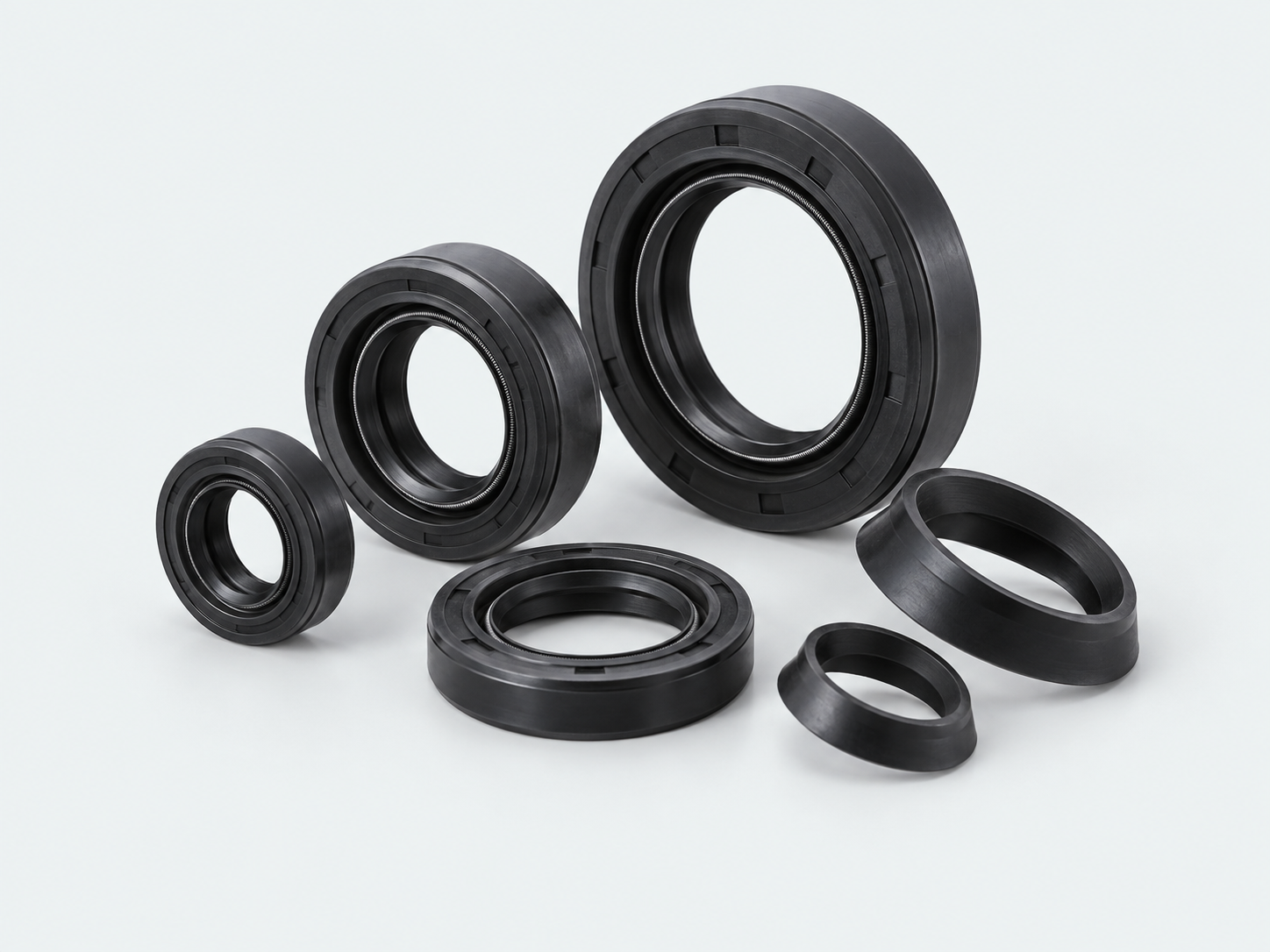
The sealing system is not an accessory to ignore after a bearing has failed. It helps keep lubricant in and water, dust and fines out. In a pellet mill roller assembly, this can include contact seals, oil seals, V-seal rings, covers, spacers, labyrinth features and a protected grease path. The exact arrangement must be confirmed against the installed assembly.
Look for a torn or hardened lip, a distorted V-seal, a loose cover, a worn shaft contact surface, a displaced spacer, missing fasteners or a damaged housing bore. Check whether the seal faces the correct direction for the actual arrangement. A seal that looks visually similar may differ in material, size, lip geometry or mounting orientation. Do not publish or order a replacement from an image alone.
For an oil seal enquiry, include the full reference if present, plus bore, outside diameter and width. If the part is identified only by dimensions, clearly state that it is a dimensional reference awaiting confirmation. SXM’s published oil-seal and V-seal references are a useful starting point for a discussion, but the installed configuration and material compatibility still need review.
V-seals and oil seals do different jobs
A V-seal usually works as an axial face seal around a shaft; an oil seal commonly uses a radial lip in a housing bore. Neither label tells you that two components are interchangeable. The shaft condition, peripheral speed, lubricant, temperature, contamination type and available mounting space affect the real choice.
When the removed part is available, photograph both sides and its relation to the rotating and stationary surfaces. Avoid stretching, cutting or wiping away information before a photo has been taken. If the plant plans a repeat maintenance kit, retain the photos with the bearing designation and position so the next enquiry begins with evidence rather than memory.
Step 2: Check grease or oil condition without making a laboratory claim
Water in grease can appear as separation, a changed texture, discoloration or visible droplets, but appearance alone does not measure water content or prove a single failure mechanism. Treat it as a prompt to inspect the whole local arrangement. Do not claim that a grease is compatible, incompatible, serviceable or contaminated beyond visual observation unless the site has an approved lubricant review or test result.
Ask practical questions: Did the lubrication point receive the approved product? Is the grease path open? Has a different grease been added during a breakdown? Is there an oil reservoir or circulation system that may need a separate inspection? Has grease been purged according to the equipment procedure, or has the team simply added more volume? Excess grease can create its own heat and seal-loading issues, while insufficient grease can leave the contact poorly protected.
SKF guidance on liquid contaminants notes that smaller, more frequent relubrication may sometimes help purge contaminated grease from a bearing or housing cavity. That is not a universal pellet-mill instruction. Follow the equipment and lubricant provider’s procedure; the correct action depends on the bearing position, seal arrangement and known cause of ingress.
Step 3: Inspect the removed bearing and local seats
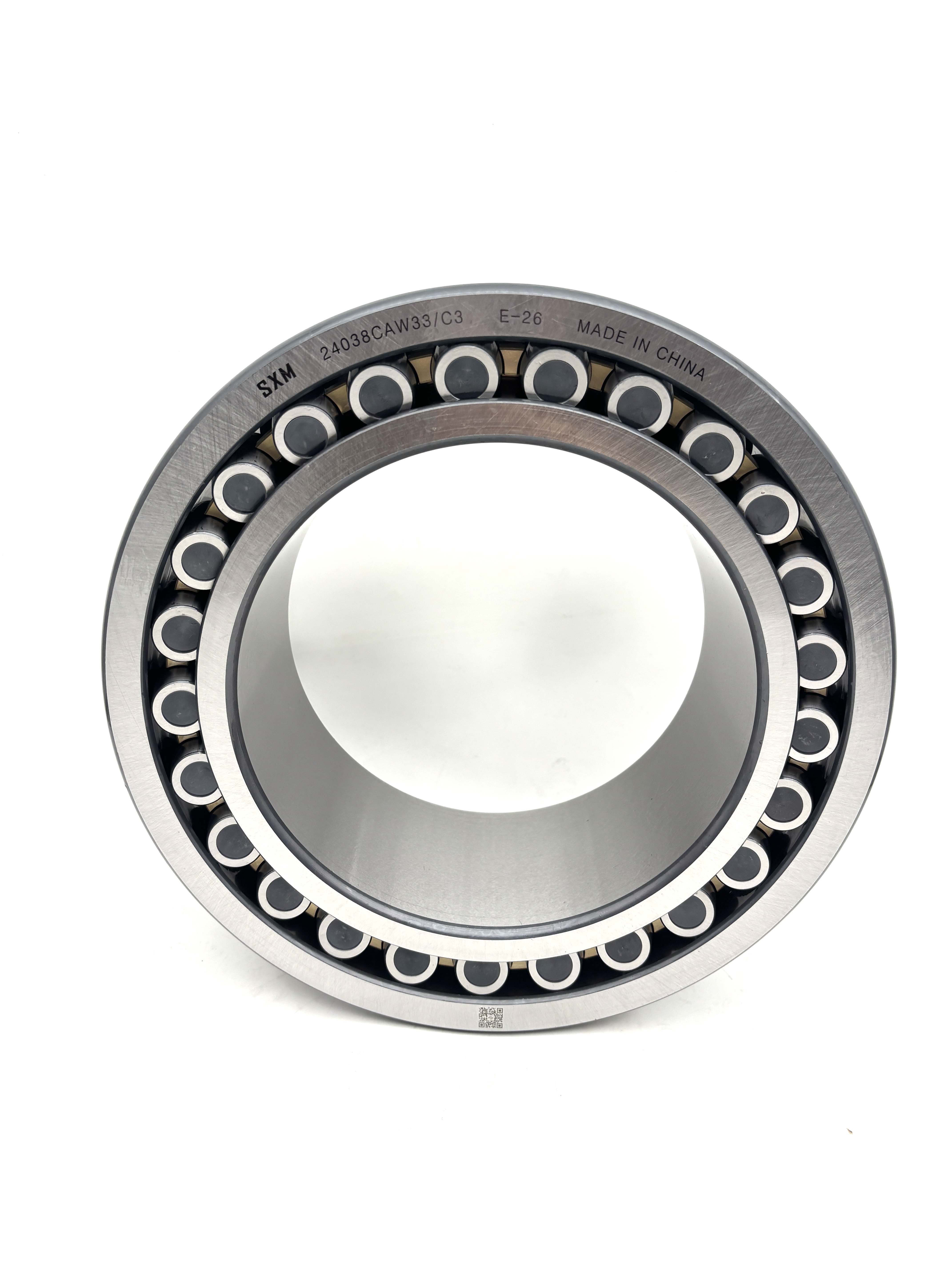
Preserve the bearing marking. Photograph the rings, rolling elements, cage and any lubrication groove or holes. Visible rust, staining, wear or damaged surfaces are useful evidence, but they do not independently prove why the damage occurred. Water could have entered during operation, during storage, through a damaged seal, from another machine component, or during a shutdown.
Then inspect the shaft and housing seats. Look for corrosion, scoring, fretting, raised burrs, loose fits or damage at shoulders and locating surfaces. A new bearing mounted on a damaged seat can repeat the same problem. Do not alter a critical seat with an improvised abrasive repair. Record the condition and follow the plant’s approved engineering procedure if the fit or surface is uncertain.
For a roller assembly, inspect the shell, cover, spacer and retaining parts together. For a gearbox, distinguish an internal oil-lubricated position from an external support. For a motor, record the motor nameplate and exact bearing designation separately from the pellet-mill brand. This position-led approach makes it easier to evaluate a replacement requirement without claiming compatibility from a generic machine name.
Step 4: Confirm the replacement designation before quotation
Suffixes matter. A bearing’s basic number does not necessarily confirm its internal clearance, cage, lubrication feature, bore type, sealing or other construction detail. For example, C3 and C4 are clearance designations, not quality grades; CA, CC and MB can refer to different internal designs; and W33 may refer to an external lubrication groove and holes on certain spherical roller bearing designs. The exact interpretation must be checked against the bearing manufacturer’s designation system and the removed part.
This is especially important in pellet-mill positions that operate with variable load, heat, dust and frequent maintenance access. Do not request “same size, C3 or C4 whichever is available.” Send the existing complete marking and ask for a controlled review. If a substitute is considered, confirm the dimensions, fit, clearance, cage, lubrication arrangement and operating context before accepting it.
SXM can help organise an enquiry review when you provide the marking, photos, machine position, dimensions or drawing and quantity. We do not treat a photo of a machine, a brand list or a partial basic number as a final compatibility decision.
A practical water-ingress replacement checklist
Use the following list before the shutdown window closes:
1. Is the exact bearing position recorded? 2. Is the complete bearing marking photographed before cleaning or disposal? 3. Is there a photo of each related seal, cover, spacer and grease point? 4. Is the moisture source observed, suspected or still unknown? 5. Has the lubricant condition been documented without guessing at a laboratory conclusion? 6. Are shaft and housing seats free from visible damage, corrosion or movement that require escalation? 7. Are the bearing and seal references reviewed as one local assembly rather than separate generic items? 8. Is the replacement request clear about quantity, timing and whether it is a planned job or an urgent breakdown?
This record is also useful for purchasing. It lets a buyer order a bearing, oil seal, V-seal or related part against the actual installed requirement, rather than creating a recurring order from an incomplete chat message.
Common mistakes after moisture is found
Replacing only the bearing
If the seal path, grease route or mating surface remains damaged, the replacement is exposed to the same risk. Review the local arrangement before closing it.
Selecting a seal by an image alone
Similar-looking seals can have different dimensions, materials and orientations. Use a confirmed marking, a measured part and assembly evidence.
Treating milky grease as proof of one cause
It is a useful observation, not a full diagnosis. Record the condition and inspect other possible ingress paths.
Assuming more grease is always the solution
The lubrication amount, interval and product must follow the confirmed equipment procedure. Uncontrolled relubrication can add heat or damage seals.
Losing the removed part before it is documented
The old bearing and seal may contain the only reliable marking and construction evidence. Photograph them before cleaning, disposal or return.
CTA: Need a replacement review before planned maintenance?
Send SXM the existing bearing number, the seal reference, machine position and clear photos of the assembly. We can help structure the identification information for a practical replacement and related-part enquiry. Send your bearing information.
FAQ
Does water ingress mean the bearing must always be replaced?
Not automatically. A serious condition should follow the plant’s safety and maintenance process. The appropriate action depends on the bearing condition, lubricant, seal system, operating history and equipment instructions. Preserve evidence before selecting a replacement.
Can I identify a pellet mill oil seal from its dimensions only?
Dimensions are useful, but they do not confirm material, lip arrangement, orientation or the complete installed design. Share the part marking, dimensions, photos and machine position for review.
Is a V-seal the same as an oil seal?
No. They are different sealing concepts and cannot be assumed interchangeable. The installed arrangement must be checked.
What should I send with a water-ingress bearing enquiry?
Send the full bearing marking, exact machine position, photos of the bearing and seal, dimensions or drawing where available, observed lubricant condition, quantity and required timing.
Can a machine brand confirm the right bearing and seal?
No. Brand and model are helpful context only. Confirm the actual installed reference, dimensions, arrangement and condition before quotation.
Conclusion
Water ingress should trigger a local assembly review: record the operating event, preserve the bearing marking, inspect seals and mating surfaces, document lubricant condition, and confirm the replacement reference before ordering. That approach helps maintenance teams address the known evidence and helps buyers avoid repeating an incomplete order.
For a pellet mill, wet grinder, cooler or conveying position, send SXM the bearing number, photos or drawing. Include the related oil seal or V-seal information when available so the full replacement scope can be reviewed together.
Next step: confirm the existing reference
For a replacement request, send the bearing marking, machine position, quantity, drawing or photos. SXM will review the available information before confirming a practical replacement option.
Get a Quote