
Equipment Guides
What Is a Pellet Mill and How Does It Work?
A pellet mill compresses conditioned material through a ring die to create dense, uniform pellets. It is only one machine in a wider pelletizing line, where material preparation, grinding, conditioning, cooling, screening and conveying all affect operating stability and replacement-part demand.
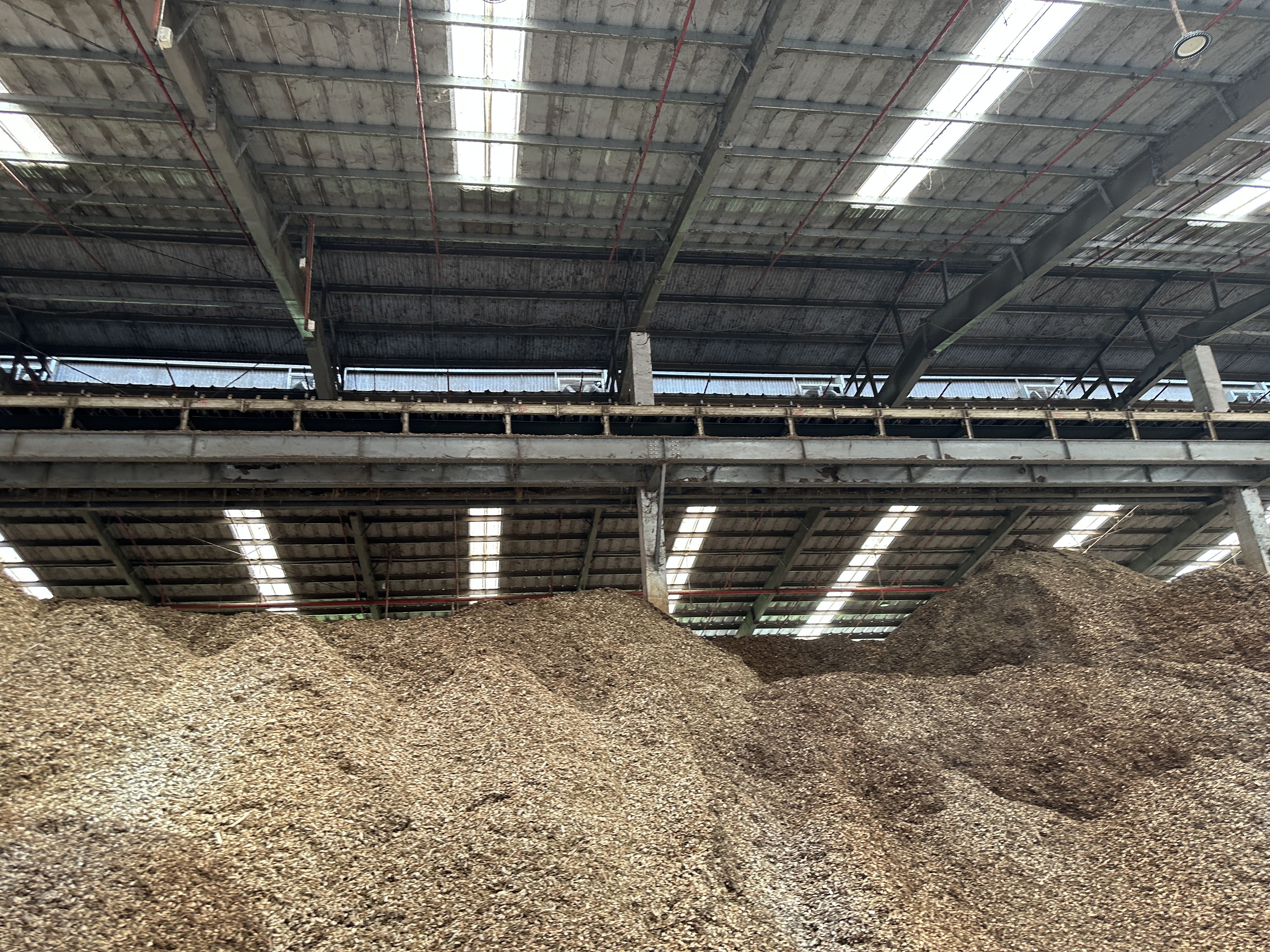
What a pellet mill does
A pellet mill is the compression stage of a feed, biomass or wood-pellet production line. Prepared material enters the machine, is distributed across the die area and is pressed through small holes in a ring die. Knives cut the emerging material to the required length before pellets travel to cooling, screening and packing equipment.
The principle is straightforward, but the working environment is not gentle. The press zone experiences continuous radial and axial forces, vibration, heat, dust and frequent operating cycles. Material behaviour also changes with moisture, formulation, particle size and conditioning quality. That is why a replacement decision should start with the actual position and existing bearing reference rather than with an assumed machine model match.
For purchasing teams, it helps to separate the pellet mill itself from the rest of the line. A bearing requested for the main shaft, roller assembly, gearbox, motor, cooler fan or conveyor may all be described internally as a ‘pellet mill bearing’, even though the load pattern and arrangement are different. A clear position description makes technical confirmation faster and reduces unnecessary re-ordering risk.
The typical pelletizing-line process
A complete line is arranged around material flow. The exact sequence differs between feed, wood, biomass and other applications, but the same broad stages appear repeatedly. Each stage has moving assemblies, support points and wear components that should be considered during maintenance planning.
Knowing this sequence also improves enquiry quality. Instead of sending only a machine brand, a buyer can tell the supplier where the component sits in the process, what the existing marking says and whether the machine is part of grinding, pelleting, cooling or conveying.
- Raw-material handling and conveying: receiving, storage, dosing and transfer equipment.
- Size reduction: chippers, hammer mills or wet grinders prepare material for the next stage.
- Conditioning: moisture, steam or binders are introduced before compression where the process requires it.
- Pelletizing: the press drives material through the ring die using roller assemblies.
- Cooling and screening: newly formed pellets are cooled, fines are separated and material is returned or transferred.
- Final conveying, storage and packing: conveyors, bucket elevators and packing systems complete the line.
How the pellet mill creates pellets
Inside a ring-die pellet mill, a driven main shaft and transmission system rotate the die or the pressing arrangement, depending on machine design. Rollers apply pressure to the material layer, forcing it through the die holes. The die, roller shells, seals, shafts and bearings work as a system; wear or misalignment in one part can affect the others.
The press zone is usually the first place people think about when planning maintenance. It is important, but it is not the only place where replacement parts matter. Gearbox and motor support positions may have different lubrication, speed and clearance requirements. In addition, feeders, conditioners, coolers and conveyors can stop the line even when the pellet press itself is ready to run.
A practical approach is to document the actual component before removal: bearing designation, suffix, dimensions if available, cage type, lubrication feature, mounting arrangement, seal condition and a photo of the installed position. This creates a useful repeat-order record without making unsupported claims about every machine of the same brand or series.
Why bearings matter in a pelletizing line
Bearings guide rotating shafts and assemblies while carrying loads created by compression, transmission and material flow. In pelletizing applications, the main concern is rarely a catalogue name alone. Buyers need to know whether the bearing arrangement can be identified correctly, whether the selected internal clearance and cage suit the position, and whether a stable replacement supply can be maintained for planned maintenance.
Heavy-duty roller bearings are often considered for positions that carry high radial loads or must accommodate shaft deflection. Tapered, cylindrical and deep-groove bearings may appear in other positions depending on the design. This does not mean that one bearing type fits every pellet mill. A machine can use several structures in different locations, and the final selection should be checked against the installed reference and physical arrangement.
During shipment inspection and incoming inspection, the most useful checks are usually simple: confirm the designation and suffix, check packaging and marking, inspect for transport damage, and keep the bearing clean until installation. These routine controls support a controlled maintenance budget better than broad promises about maximum service life.
Common wear parts around the press
Bearings are SXM’s main focus, while selected wear parts can be reviewed when they are connected to the same pelletizing requirement. Ring dies and roller shells are direct press components. Seals protect lubricated areas from contamination. Housings, shafts, gears and couplings may also be relevant where a drawing, sample or existing part is available for review.
A useful sourcing conversation does not treat these parts as a universal catalogue. The correct question is: which components are required for this machine and this maintenance job? A photo, drawing, part number, dimensions and operating position are more reliable than a broad statement such as ‘all parts for this brand’.
How to prepare a replacement enquiry
The fastest way to get a useful answer is to send the information already available at the plant. It is normal for maintenance teams to have an incomplete record, especially on older equipment. In that case, a clear photo of the existing bearing marking and its mounting position is often enough to start identification.
SXM can review the requirement as a replacement enquiry, not as an automatic cross-reference. Final confirmation remains subject to the existing bearing number, dimensions, arrangement and operating conditions. This keeps the conversation technical, transparent and commercially practical.
- Existing bearing number and all suffixes visible on the ring or packaging.
- Machine model, machine position and a photo of the surrounding assembly.
- OEM number, drawing, sample or dimensions when available.
- Quantity required, whether the need is urgent, and any known lubrication or clearance information.
Frequently asked questions
Is a pellet mill the same as a complete pelletizing line?
No. The pellet mill is the compression machine. A complete line also includes material handling, grinding, conditioning, cooling, screening and conveying equipment.
Which bearing type is used in a pellet mill?
It depends on the position and machine design. Main-shaft, roller, gearbox and motor positions can use different bearing structures. Confirm the existing reference and arrangement before ordering.
Can a machine brand alone identify the right bearing?
Usually not. Machine configurations can vary. The existing bearing number, OEM number, drawing, dimensions or installed-position photo provides a safer basis for confirmation.
Next step: confirm the existing reference
For a replacement request, send the bearing marking, machine position, quantity, drawing or photos. SXM will review the available information before confirming a practical replacement option.
Get a Quote